
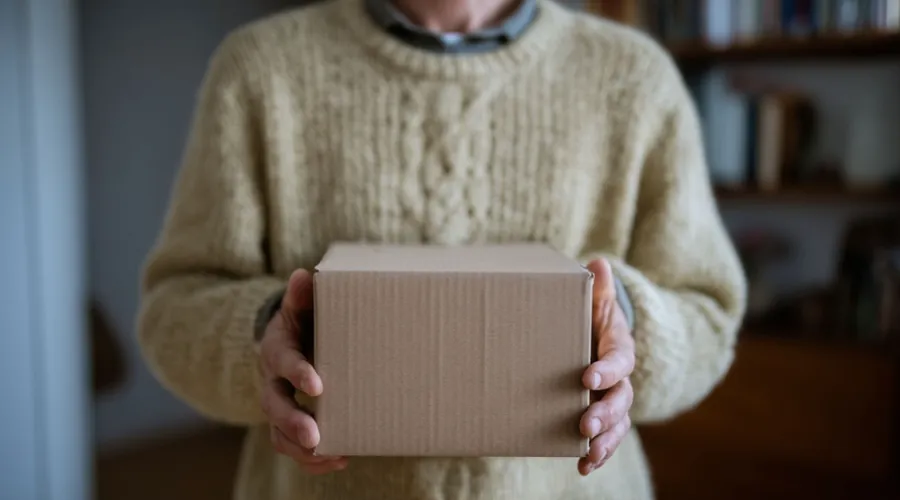
A photograph from an ordinary Sunday lunch can mean more to a relative abroad than another generic gift. Before choosing an international shipping company for your parcel, decide which moments you want the contents to capture. A small collection of photographs, handwritten stories, and familiar keepsakes gives the recipient something personal to unpack and share with the next generation.
Choose Keepsakes That Tell a Story
A parcel can tell a personal story without becoming difficult or expensive to ship. Choose one shared memory, such as childhood summers or a family reunion, and build the contents around compact keepsakes that can withstand transit:
- printed photographs — choose a few clear images and add caption cards with names, places, and approximate dates;
- handwritten letters — include short personal letters that add meaning without taking up much space;
- recipe cards — share a family favorite with a note about its origins and any important preparation details;
- children’s artwork — send copies of drawings instead of originals to preserve the keepsake while keeping the parcel light;
- fabric keepsakes — add a small bookmark or embroidered handkerchief with a note about its maker and significance.
To keep the parcel organized, contributors can each provide one item and a short explanation by an agreed deadline. Personal details should be checked before shipping, and permission should be obtained before including private letters or sensitive family stories.
Protect Each Memory Before Packing
Keep scans of photographs and letters before mailing them, especially when no other copies exist. For paper items, choose acid-free folders or stable plastic sleeves without adhesive touching the contents; these are among the protective materials recommended by the National Archives.
The gift presentation belongs inside the shipping protection, not in place of it. Use a rigid carton, cushion individual objects, fill empty spaces to prevent movement, and close the seams securely with strong packing tape.
A numbered note can help relatives connect each object with its story. Place it near the top rather than beneath the contents, and keep loose paper items together so they are not scattered among the wrapping.
Photograph the arranged contents before closing the carton, and save that image alongside your item list so you can answer questions about the parcel after dispatch.
Arrange Delivery and Continue the Conversation
Before sealing the carton, review the carrier’s current restrictions and confirm the recipient’s address and phone number. Record the finished parcel’s weight and dimensions, and describe its contents specifically on the customs declaration instead of writing only “family memories.”
Working toward an anniversary or reunion? Ask when the delivery estimate begins and leave room for customs processing; the date you hand over a parcel is not necessarily the starting point for the quoted transit time.
Share the tracking reference with the recipient and arrange a call once the box arrives. Ask which photograph surprised them or which recipe needs correcting. Their answers can become the starting point for your next parcel rather than letting the exchange end with a thank-you.
For families sending parcels from the United States to Poland, Polonez offers delivery to the recipient’s address, online tracking, and assistance with customs declarations. That support helps you organize the shipment while keeping the contents focused on the people receiving them.
